Guide · Local SEO
Local Link Building: How Small Businesses Earn Links That Matter
Practical, policy-safe ways for local businesses to earn links: suppliers, sponsorships, local press, associations, partners and genuinely useful local resources.
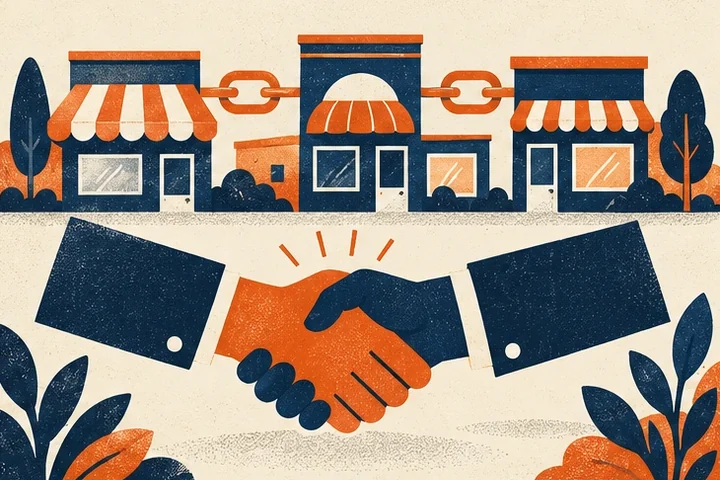
Links from other websites are still one of the ways search engines judge whether a business is real, relevant and respected. For a local business, though, link building looks nothing like the mass outreach campaigns you may have been pitched. The links that help most usually come from people you already know.
This guide covers where those links come from, how to ask for them, and what to avoid.
Why local links matter
When a respected local organisation links to your site, it’s a signal that you’re part of the community and worth knowing about. For a plumber in Sacramento, a link from the Sacramento chamber of commerce or a local news story is more relevant than a link from a random blog in another country.
Links also bring people. A link on a supplier’s “where to buy” page or a school’s sponsor list can send real customers, which is the point of all this anyway.
Links aren’t everything. Your Google Business Profile, reviews and service-area pages usually matter more for appearing in the map results. But for competitive searches, local links are often what separates the businesses on page one.
Where local businesses earn links
Suppliers and manufacturers
Many brands list certified installers, stockists or dealers on their websites. If you install a particular brand of heat pump, stock a coffee roaster’s beans or are certified by a flooring manufacturer, ask to be listed with a link. It’s one of the most relevant links you can get, and often it’s a simple form.
Trade and professional associations
State bar associations, contractor associations, dental societies and trade bodies often have member directories. Membership you already pay for can come with a profile and a link. Make sure your listing is complete and the link points to the right page.
Chambers of commerce and business groups
Local chambers, business improvement districts and networking groups usually list members online. It’s rarely a powerful link on its own, but it’s real, local and consistent with your business details.
Sponsorships and community involvement
Youth sports teams, charity runs, school fundraisers and community events typically thank sponsors on their websites. Sponsor things you’d support anyway, and simply ask whether sponsors are listed with a link. Google’s guidance says paid links should be marked with rel="sponsored" or rel="nofollow"; a sponsor link that’s marked that way is fine. Its value is the visibility and community connection rather than ranking power, which is the honest way to think about it.
Local press and bloggers
Local news sites, neighbourhood blogs and community newsletters need stories. Do you have one? A restaurant opening a second location, a contractor helping after a storm, a clinic offering free screenings, a law firm running a free legal-aid day. Send a short, factual note to the right editor. Not every pitch lands, but one good local story can earn several links.
Business partners
Think about who you refer work to and who refers work to you. A real estate agent and a home inspector, a wedding venue and a florist, a physical therapist and a sports clinic. A “trusted partners” page that lists a handful of genuine partners makes sense for customers. Keep it small and real; large-scale link swapping is treated as a link scheme.
Useful local resources
This is the one that takes effort, but it earns links without asking. Create something genuinely useful for your area:
- A roofer’s guide to permit requirements in each nearby city
- A clinic’s map of after-hours care options in the county
- A law firm’s plain-English guide to small claims court locally
- A restaurant’s guide to the farmers’ markets it buys from
Local journalists, community sites and other businesses link to resources like these because they help their readers. These pages also tend to be good content in their own right; see our guide to topic clusters and pillar pages.
How to ask
Keep it short and specific. Say who you are, what the connection is and exactly what you’d like.
Hi Sarah, we’ve been a member of the Westside Business Association since 2021. I noticed our directory listing doesn’t include a website link. Could you add https://www.example.com/? Thanks!
That’s it. No templates full of flattery, no mention of “SEO value.”
Anchor text: let it be natural
Anchor text is the clickable text of a link. Google’s link best practices recommend descriptive anchor text that tells people what they’ll find. On your own site, that’s in your control; see our internal linking guide.
On other people’s sites, don’t ask for exact-match keyword anchors like “best emergency plumber Sacramento.” Your business name or a natural description is better, and a sudden pile of identical keyword anchors looks manipulative.
What to avoid
Google’s spam policies treat links intended to manipulate rankings as link spam. That includes:
- Buying or selling links that pass ranking credit
- Excessive link exchanges (“link to me and I’ll link to you”) done for ranking
- Low-quality directory or bookmark sites created only for links
- Paying for articles with keyword-rich links on unrelated blogs
- Automated programs that create links
If someone offers you “100 high-authority backlinks for $99,” that’s what you’re buying. At best it’s wasted money; at worst it can hurt your visibility. Directory listings on real, used platforms (Yelp, Angi, Avvo, Healthgrades, the BBB, your industry’s main directory) are a different thing: they’re about being found and keeping your business details consistent.
Keep a simple log
Track your link work in a spreadsheet: the organisation, contact, date asked, status and the URL of the link once live. Check occasionally that links still work and point to the right pages, especially after a website rebuild.
Realistic expectations
Local link building is slow and relationship-based. You might earn a handful of good links a quarter, and that’s normal. Nobody can guarantee how much any particular link will move your rankings.
Our local SEO service includes citation cleanup and local link earning, and our Growth and Authority plans include it every month. See pricing for what each plan covers.